Brockley estate narrow garden solutions from experienced gardeners
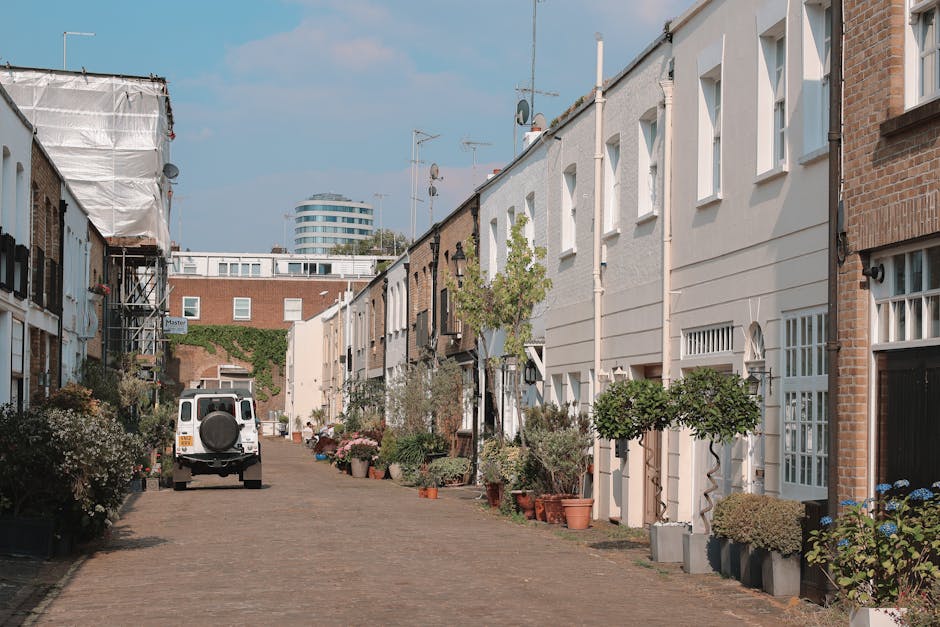
Narrow gardens can be brilliant, but let's be honest, they can also feel awkward. One minute you want a place to sit with a mug of tea, the next you realise the whole plot seems to be one long corridor with not much room to breathe. That is exactly where Brockley estate narrow garden solutions from experienced gardeners make a real difference. With the right layout, planting, surfaces, and maintenance plan, a tight outdoor space can feel calmer, larger, and far more usable without turning into a constant uphill battle.
In Brockley, many estate gardens need careful thinking rather than big budgets. A good gardener does not simply "fill space"; they reshape how the space works. This guide walks through the practical options, common mistakes, and the sort of decisions that genuinely improve a slim garden over time. You will also find a checklist, a comparison table, and some plain-English advice on what tends to work best in real homes, not just in glossy design mock-ups.
Why Brockley estate narrow garden solutions from experienced gardeners Matters
Narrow gardens ask for a different mindset. If you try to treat them like a standard rectangular lawn with a bit of planting at the edges, they usually end up looking even thinner. Experienced gardeners approach them as a sequence of connected zones: entrance, movement, sitting, planting, and storage. That sounds simple, and in a way it is. The trick is making each part earn its keep.
On Brockley estates, space is often limited by walls, fences, outbuildings, access routes, and shading from neighbouring homes. Some gardens get a good burst of sun in the morning and then turn cool by lunch; others feel enclosed all day. That means plant choice, surface choice, and even the direction of a path can influence how roomy the garden feels. A long, uninterrupted strip of lawn can be practical in some cases, but it can also become a visual tunnel. Breaking that tunnel up, carefully, usually helps.
Why does experience matter so much? Because narrow gardens magnify every decision. A border that is 30 cm too deep can make a path awkward. A hedge planted in the wrong spot can narrow the usable space year after year. A poor surface choice can make maintenance miserable. In other words, the margin for error is small. To be fair, that is what makes the right advice valuable.
There is also the emotional side. People want these gardens to feel less like a leftover strip and more like a proper part of the home. Even a modest improvement can make everyday life nicer: somewhere to sit after work, somewhere for herbs by the back door, somewhere for children to play without the whole area feeling cramped. Small space, big impact. That is the real story here.
How Brockley estate narrow garden solutions from experienced gardeners Works
Good narrow-garden design usually starts with observation rather than installation. Experienced gardeners look at how you actually move through the space, where water collects, which areas are shaded, and what you want the garden to do. That might sound obvious, but it is often skipped. People jump straight to materials and plants, then wonder why the result still feels off.
The process typically follows a few practical stages:
- Measure the usable width and length rather than relying on a rough guess. In slim gardens, a few extra inches matter more than people expect.
- Map movement. Where do you step out from the house? Do you need access to bins, sheds, or side gates? If the path is clumsy, the whole space feels clumsy.
- Decide the main purpose. Is the garden mainly for relaxing, children, pets, easy maintenance, or a bit of all four?
- Create structure. This could be edging, decking, paving, a seating nook, raised planters, or a simple path that visually breaks the length.
- Choose planting that suits light levels and scale. Narrow gardens do better with layered planting than with oversized, bulky shrubs.
- Plan maintenance realistically. A beautiful layout is no help if it becomes a weekly wrestling match.
Experienced gardeners also think in terms of lines and sightlines. If you can see the full length of a narrow garden in one glance, it often feels like a corridor. Introducing a change in level, a curved path, a focal point, or a screen can help the eye pause and the space feel wider. Not artificially wider, just more balanced. That distinction matters.
In many Brockley homes, a blend of soft landscaping and hard landscaping works best. A slim deck or patio area near the house, then a planting zone beyond, can create rhythm. You might also pair that with professional landscaping support where the layout needs more than a quick tidy-up. For families or landlords, ongoing garden maintenance can keep the design looking deliberate rather than overgrown six weeks later. Happens fast, especially in mild weather.
Key Benefits and Practical Advantages
The main benefit of a well-planned narrow garden is simple: it becomes usable. But there are several other gains that are easy to overlook until you live with the space for a while.
- Better flow - Clear movement paths make the garden feel less awkward and easier to use daily.
- More visual width - Clever zoning, planting, and surface choices can make a tight garden feel broader than it is.
- Lower maintenance pressure - The right materials and planting reduce the amount of constant trimming, sweeping, and patch repair.
- Improved privacy - Screens, fencing, and layered planting can soften overlooking from nearby homes.
- More year-round interest - When every bit of the garden is visible, seasonal structure matters more, even in winter.
- Better return on effort - In small spaces, modest changes often deliver a stronger before-and-after effect than in larger gardens.
There is also a very practical advantage for households that do not want to spend every Saturday maintaining a temperamental lawn. In a slim garden, hard-wearing surfaces and restrained planting can be a blessing. A compact seating area can be more inviting than a strip of grass that is difficult to mow around. If your garden gets shade or heavy foot traffic, a tidy patio or deck may simply make more sense. That is not giving up on the garden. It is designing properly.
For homes that need an especially durable finish, services such as decking services, patio cleaning, or even new fencing can support the structure of the garden as much as the planting does. The key is balance, not overbuilding.
Who This Is For and When It Makes Sense
This kind of solution suits a wide range of people, but it is especially useful if your garden has one or more of the following issues:
- it is long and narrow rather than square;
- it feels dark, boxed-in, or tunnel-like;
- you want a usable seating area without losing all planting space;
- the lawn is too small or impractical to justify;
- the garden needs to be low-maintenance;
- there is poor privacy from neighbouring windows or upper floors;
- the layout makes mowing, pruning, or sweeping awkward;
- you want a smarter-looking outdoor space for a flat, terraced home, or estate property.
It also makes sense if you are preparing a property for sale or rental presentation. A narrow garden does not need to be large to look good; it needs to look intentional. That is a very different thing. Estate gardens often benefit from a tidy, repeatable structure that is easy to maintain between tenancies or seasons.
If the garden is badly overgrown first, a sensible starting point may be garden clearance before any finer design work begins. Truth be told, it is hard to design around a space you cannot properly see. In some cases, trimming back hedges or tree growth is part of the job too, which is why hedge trimming and, where necessary, tree surgery can be relevant supporting services.
Step-by-Step Guidance
If you are planning a narrow garden in Brockley, this is a practical way to think it through. No drama. Just a sensible sequence.
- Start with a clean view of the space. Remove clutter, dead planting, broken pots, and anything that blocks the line of sight. You need to see the bones of the garden first.
- Measure and sketch the layout. Note widths at different points, door positions, storage needs, and any awkward corners. A tiny pinch-point can shape the whole design.
- Pick one main purpose. If you try to make the garden do everything, it can end up doing nothing especially well. Decide whether your priority is sitting, planting, play, privacy, or easy upkeep.
- Fix the circulation. A narrow path, stepping line, or deck edge can guide movement without eating the whole garden. Straight is not always best. Sometimes it is too honest about the shape.
- Add structure before planting. This may include fencing, raised beds, trellis, or a compact terrace. Structure gives the eye something to rest on.
- Choose plants for the site, not for the catalogue. Shade-tolerant plants, slim shrubs, and layered perennials are usually safer than bulky, fast-growing choices.
- Leave enough room to maintain everything. A border that is too deep becomes a chore. A planting bed you cannot reach is soon neglected.
- Plan the upkeep rhythm. Decide what needs monthly, seasonal, or annual attention. That way the garden stays controlled instead of drifting.
A useful rule of thumb: if a feature does not either improve movement, add function, or make the garden feel wider, question whether it belongs. That little pause can save a lot of regret later.
Expert Tips for Better Results
Experienced gardeners tend to rely on a few principles that consistently work in narrow spaces. These are not flashy ideas, but they hold up well in real gardens.
1. Use repetition sparingly. Repeated materials or repeated plants can calm a small garden, but too much of the same thing can flatten it. One repeated shape, one repeated colour, and one repeated material is often enough.
2. Keep borders thinner than you think. In a slim garden, deep borders can make the usable area vanish. A crisp edge with well-chosen planting can be more effective than a wide bed full of fuss.
3. Mix upright and soft forms. A few vertical plants, a trellis, or a slim screening element can draw the eye upward, while softer mounding plants stop the space feeling rigid. A bit of contrast goes a long way.
4. Treat storage as part of the design. Bin screens, tool storage, and somewhere for cushions should be planned from the start. If not, they become the clutter that ruins the look.
5. Use lighting carefully. Even modest lighting can make a narrow garden feel more inviting in the evening. Nothing overdone. Just enough to see the shape and enjoy the space after dark.
6. Keep the far end interesting. The end of a long garden often decides whether the space feels finished or forgotten. A bench, feature planter, specimen shrub, or subtle screen can give the eye a destination.
7. Match materials to the mood of the house. Estate homes often suit simple, robust finishes more than highly decorative ones. The garden should feel like part of the property, not a random add-on.
If you want a garden that stays manageable, support it with regular lawn care where grass is kept, or with professional lawn mowing if mowing access is tight. For some homes, though, reducing the amount of lawn altogether is the real win. There, plain and simple, is the answer.
Common Mistakes to Avoid
Narrow gardens fail for fairly predictable reasons. Most of them come down to trying too hard, or not thinking through how the space will be used after the initial tidy-up.
- Putting in too many features. A small garden does not need every idea at once. Overfilling makes it feel busy and cramped.
- Using oversized plants. A shrub that looks fine in year one may crowd the whole space by year three.
- Ignoring access. If you cannot open gates, reach the back border, or move furniture comfortably, the garden becomes annoying very quickly.
- Making paths too wide or too narrow. Both are problems. The proportions need to suit the exact garden, not a generic template.
- Choosing high-maintenance finishes without a maintenance plan. Some materials look lovely on day one and become slippery, stained, or messy if neglected.
- Forgetting the view from indoors. In a narrow garden, you often look at it from the kitchen or living room more than you walk through it. That viewpoint matters.
- Leaving shade and drainage untested. A soggy corner or gloomy section can shape the whole planting strategy.
One common slip-up is treating privacy as an afterthought. Then, a year later, people are wondering why they can hear every neighbour conversation over the fence. Better to think about screening early, whether through planting, boundary work, or carefully placed structures. It saves bother.
Tools, Resources and Recommendations
You do not need a huge toolkit to improve a narrow garden, but the right tools and services make the job far smoother. For light maintenance and planning, these are the basics most experienced gardeners rely on:
- measuring tape and sketch paper for planning;
- spirit level for patios, edging, and decking;
- sharp secateurs and pruning tools for precise trimming;
- lightweight garden waste bags or bins for regular clear-up;
- edging tools to keep borders crisp;
- pressure or patio cleaning equipment used carefully on suitable surfaces;
- soil improvers or compost where planting beds need support;
- screening or trellis for vertical structure;
- practical storage for tools so they do not take over the space.
If you are choosing professional help, it is worth looking at a provider's broader service range rather than only the single task in front of you. For example, a narrow garden project may involve general gardening services, some level of landscape gardening, and perhaps ongoing maintenance after the initial work is done. That combination usually gives better results than a one-off tidy with no follow-up.
And yes, if the garden has a hard landscaping element that has gone grimy, patio cleaning can make a surprisingly big visual difference. A clean surface reflects light better. You notice it immediately, especially on a grey morning.
Law, Compliance, Standards, or Best Practice
Narrow garden projects are not usually complicated from a legal point of view, but there are still sensible standards to follow. In the UK, any work near boundaries, shared access, overhead lines, trees, or retained walls needs care. If a project affects a neighbour's fence, roots, drainage, or shared boundary, it is best to plan carefully and communicate early. That is less about legal theatre and more about avoiding avoidable friction.
Good practice also matters for safety. If a team is doing heavy pruning, lifting, or structural work, they should work sensibly with appropriate insurance and safety procedures. If you are hiring help, it is completely reasonable to ask about these things. A professional outfit should be able to explain how it manages risk, handles waste, and works safely around access routes and property features.
For materials and disposal, sustainability is increasingly part of good practice too. Reusing sound materials, recycling green waste where appropriate, and avoiding unnecessary replacement are all sensible steps. If you are interested in that side of the work, a provider's recycling and sustainability approach can be a useful sign of how carefully they operate.
You should also expect straightforward terms, clear pricing, and transparent payment arrangements. Those details might feel unglamorous, but they matter. If a project is small, it should still be clear what is included, what is not, and what happens if the scope changes. Nothing fancy. Just clarity.
Options, Methods, or Comparison Table
There is no single best solution for every Brockley estate narrow garden. The right choice depends on how the space is used, how much light it gets, and how much maintenance you are comfortable with. Here is a practical comparison of common approaches.
| Option | Best for | Benefits | Watch-outs |
|---|---|---|---|
| Simple lawn with border edging | Families wanting a soft surface | Familiar look, easy to understand, open feel | Can feel corridor-like; mowing access may be awkward |
| Decking near the house | Relaxed seating and level access | Immediate usability, clear structure, warm visual effect | Needs proper installation and regular cleaning |
| Patio with planting zones | Low-maintenance living | Durable, tidy, flexible for furniture | Can feel hard if not balanced with greenery |
| Raised beds and screening | Privacy and layered planting | Adds height, hides boundaries, improves depth | Can reduce floor space if overused |
| Full redesign with zoning | Problem gardens needing a reset | Best for awkward layouts, strong visual change | Usually more planning and a higher upfront cost |
In many cases, the best answer is not one option but a combination. A compact deck, a slender path, and a modest amount of structured planting can do more for a narrow garden than one larger intervention. That layered approach is often what experienced gardeners settle on after looking at the site in person.
Case Study or Real-World Example
Here is a realistic example based on the kind of garden commonly seen on Brockley estates. A narrow rear garden had a tired lawn, uneven edges, and a back corner that stayed damp and underused. The owner wanted somewhere to sit outside, but also wanted to keep things manageable because the garden had become a weekend chore. Every time.
The approach was simple. First came a clear-out, removing clutter and cut-back growth so the shape of the garden was visible again. Then the layout was divided into three parts: a small paved seating area near the house, a central planting strip to soften the long view, and a more structured end section with screening and one stronger focal plant. The lawn was reduced rather than forced to remain as a full strip, because the space was too slim for it to feel generous.
The result was not dramatic in the flashy sense. It was better than that. The garden felt longer but less cramped, and more importantly, it became easier to use. The owner could step outside with a coffee, sit down without wobbling on soft ground, and water the planting without constantly dodging awkward edges. The key improvement was not one expensive feature. It was the sense that every part of the garden had a job.
That is what experienced gardeners tend to get right. They do not chase drama for its own sake. They make a small garden behave.
Practical Checklist
Use this checklist if you are planning a narrow garden improvement and want to avoid the usual headaches.
- Have you measured the garden properly, including tight points and access routes?
- Do you know the main purpose of the space?
- Have you cleared out clutter so you can see the real layout?
- Are any large shrubs, hedges, or trees making the garden feel tighter than it should?
- Have you decided whether lawn, paving, decking, or a mix makes the most sense?
- Is there enough room to walk through and maintain the borders comfortably?
- Have you thought about privacy from neighbouring windows or upper floors?
- Will the planting suit the light levels and the available depth of soil?
- Do you know how often the garden will need trimming, cleaning, or mowing?
- Have you checked that the proposed work fits your budget and timescale?
Key takeaway: in a narrow Brockley garden, the smartest solution is usually the one that makes the space easier to live with, not just prettier for a week or two.
Conclusion
Brockley estate narrow garden solutions from experienced gardeners are about making a compact outdoor space work better in everyday life. That means better structure, smarter planting, easier movement, and a design that does not fight the shape of the garden. When those things come together, even a slim plot can feel welcoming rather than awkward.
The best results usually come from simple, thoughtful choices: reduce clutter, improve the layout, choose practical surfaces, and keep maintenance realistic. You do not need to turn a narrow garden into something it is not. You just need to stop it feeling cramped, underused, or difficult to enjoy. That shift can be surprisingly uplifting, especially on a quiet evening when the light sits low and the space finally feels settled.
Get a free quote today and see how much you can save.
If you are ready to take the next step, explore the wider range of support available from the team's background and approach, review the practical details in the pricing and quotes page, or get in touch through contact us when you want to talk through your garden in a bit more detail.
Frequently Asked Questions
What makes a narrow garden harder to design than a normal garden?
Narrow gardens show every proportion problem very quickly. A path, border, or large plant that seems fine on paper can make the whole garden feel cramped once installed. That is why layout and scale matter so much.
Do narrow gardens always need decking or paving?
Not always. Some work better with a mix of surfaces and planting, while others do well with a simple lawn and tighter borders. The right answer depends on how you want to use the space and how much maintenance you want to take on.
How can experienced gardeners make a narrow garden feel wider?
They usually break up the long view, reduce visual clutter, and use structure carefully. Subtle zoning, slimmer borders, planting at different heights, and good boundary treatment can all help the space feel broader.
Is a narrow garden suitable for families with children?
Yes, if it is planned well. A narrow garden may need a more compact play area, safer circulation, and durable surfaces. It may not suit large play equipment, but it can still be practical and enjoyable.
What plants work best in a slim estate garden?
Plants that stay controlled in size, suit the light level, and add structure without becoming bulky are usually best. Think layered planting, slim shrubs, and a few stronger focal plants rather than dense mass planting.
How often should a narrow garden be maintained?
That depends on the design, but narrow gardens often benefit from regular light maintenance rather than occasional heavy work. Small spaces tend to look untidy faster because everything is on view.
Can fencing help with a narrow garden layout?
Yes. Good fencing can improve privacy, define the edges of the garden, and create a cleaner backdrop for planting. It should be chosen carefully so it does not make the space feel even more enclosed.
What should I do first if my garden is overgrown?
Start with clearance so you can see the actual shape and condition of the garden. Once the clutter and overgrowth are removed, it is much easier to decide on the right layout and planting plan.
Is a lawn a bad idea in a narrow garden?
Not necessarily, but a lawn needs enough width to look intentional and be practical to cut. If the strip is very narrow, another surface or a reduced lawn area may work better.
How do I keep a narrow garden low-maintenance?
Use durable surfaces, controlled planting, and a layout that is easy to access. Avoid deep borders, oversized shrubs, and complicated features that need constant attention. Simpler is often better, honestly.
What kind of professional support is most useful for this type of project?
It depends on the garden, but many projects benefit from a mix of landscape work, planting guidance, boundary improvements, and ongoing maintenance. Some gardens also need pruning, clearance, or cleaning before design work can begin.
Can a small budget still improve a narrow garden?
Yes. You may not be able to do everything at once, but even small changes can help if they are well chosen. A cleaner layout, sharper edges, and better use of the far end can make a real difference without a full rebuild.
How do I know if I need garden maintenance after the main work is done?
If the space includes planting, hedging, mowing, or hard surfaces that quickly collect debris, a maintenance plan is usually sensible. A narrow garden can look fantastic after installation, then slip back quickly without upkeep.
Are there any trust signals I should look for when hiring help?
Yes. Clear pricing, sensible communication, visible safety standards, and straightforward terms all matter. If a provider explains how it works, what is included, and how it handles waste or access, that is usually a good sign.