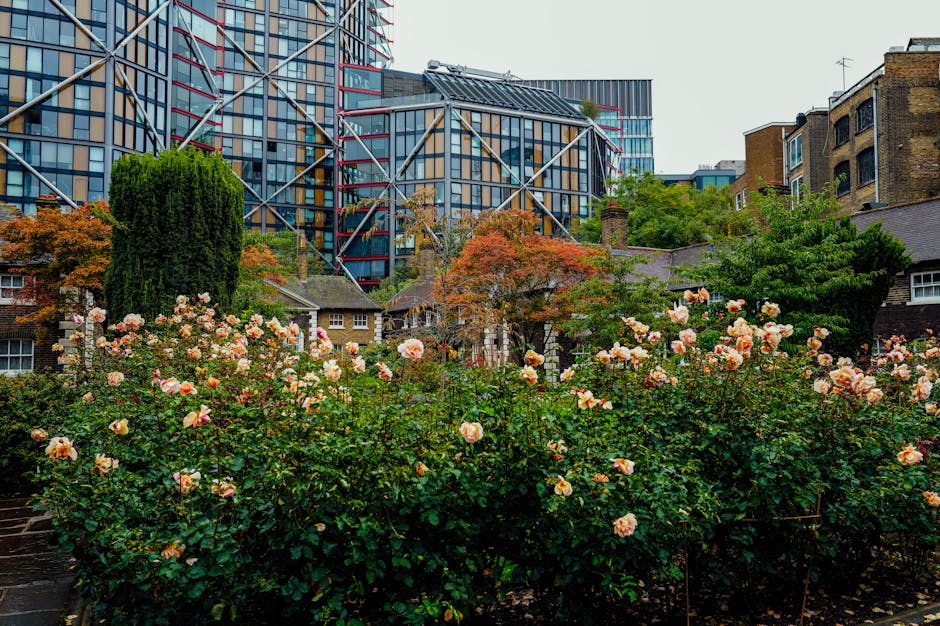
Cost guide for garden maintenance in Lewisham 2026
If you are trying to make sense of the Cost guide for garden maintenance in Lewisham 2026, you are probably in one of two places: either the garden has got away from you a bit, or you are planning ahead so the bills do not sneak up later. Fair enough. Lewisham gardens come in all shapes and sizes, from compact terraces to long suburban plots, and the true cost of keeping them tidy depends on more than just lawn size. Access, condition, season, and the type of work all matter.
This guide breaks everything down in plain English. You will find what affects pricing, how maintenance jobs are usually priced, where people overspend, and how to compare options without getting lost in jargon. I will also cover a few practical scenarios, because a front lawn with some hedge work is a very different job from rescuing an overgrown back garden in late spring. Let's keep it useful, not fluffy.
Why Cost guide for garden maintenance in Lewisham 2026 Matters
A garden is one of those spaces that quietly changes the way a home feels. But once the grass is too long, the hedge is flopping over, or the patio is slick with green film, it becomes a job rather than a pleasure. That is where a realistic cost guide helps. It gives you a sense of what regular upkeep might involve, what a one-off tidy-up could cost in principle, and where the value sits.
In Lewisham, maintenance costs can vary because local gardens are often a mix of small, access-limited spaces and larger family plots. A narrow side return can take longer than you expect if tools have to be carried through the house. A mature garden with layered planting may look lovely, but it takes more care than a simple lawn-and-borders layout. And to be fair, nobody wants to pay for a "quick tidy" that quietly turns into a half-day rescue mission.
Cost awareness also matters for planning. If you know the likely price drivers in advance, you can decide whether to book weekly visits, seasonal work, or a larger reset followed by lighter upkeep. That is usually the smartest way to avoid surprise spend. The best garden budgets are not the cheapest ones; they are the ones that match the actual condition of the space.
How Cost guide for garden maintenance in Lewisham 2026 Works
Most garden maintenance pricing is built from a few simple parts: labour time, task complexity, garden size, disposal needs, and how much equipment is required. A gardener may quote by the hour, by the job, or as part of a recurring maintenance plan. There is no single structure that suits every garden, because a hedge trim, border weeding, and lawn mow all have different effort levels.
A practical way to think about it is this:
- Routine upkeep is usually more predictable and easier to budget for.
- One-off work often costs more per visit because the garden needs a deeper reset.
- Specialist tasks such as tree work or heavy clearance can sit in a different price bracket altogether.
- Extras such as waste removal, supply of materials, or difficult access can change the final figure.
What catches people out most? Condition. A well-kept garden and an overgrown one may both be the same square footage, but they are not the same amount of work. A patch of waist-high brambles, self-seeded saplings, or stubborn ivy can change the job dramatically. If you have ever pulled at one "small" weed only to find a root system with ambition, you will know the feeling.
In practical terms, a quotation should reflect the work in front of the gardener, not just the postcode. Lewisham location helps set the local market context, but the final cost comes down to the specifics of your space.
Key Benefits and Practical Advantages
It might sound obvious, but knowing the likely cost of garden maintenance gives you leverage. You make clearer decisions, compare quotes more confidently, and avoid paying for jobs that could have been bundled together more efficiently. A tidy budget usually leads to a tidier garden. Funny how that works.
- Better planning: you can decide whether to spend monthly, seasonally, or only when the garden starts looking tired.
- Less waste: combining mowing, hedge trimming, and weeding in one visit often makes more sense than booking them separately.
- Healthier planting: regular care protects lawns, shrubs, and borders before problems become expensive.
- Improved kerb appeal: a maintained front garden instantly changes first impressions.
- Reduced stress: you avoid the all-too-common "we really should sort the garden" loop that never quite ends.
There is also a hidden benefit: maintenance often reveals small issues early. A gardener trimming a hedge may spot dead growth, disease, poor drainage, or a fence section that needs attention. Catching these things early can save more than the visit itself. That is especially true in busy London gardens where plants compete for light, space, and your weekend.
If your garden is part of a wider home-improvement plan, it can help to think strategically. For example, maintaining open areas supports seating zones, while trimming boundary growth improves privacy and structure. If you are interested in shaping the space more deliberately, you may also find the guidance on professional gardening services useful when comparing ongoing help versus one-off fixes.
Who This Is For and When It Makes Sense
This guide is for homeowners, landlords, tenants with garden responsibility, property managers, and anyone who wants a more predictable maintenance budget. It is also useful if you are moving into a new property and trying to understand whether the outdoor space will need light care or a complete reset.
It makes particular sense when:
- you have not had the garden maintained for several months;
- you are comparing several quotes and the numbers do not line up;
- you want regular upkeep rather than emergency clearances;
- you need hedge work, lawn care, or patio cleaning alongside general gardening;
- you are preparing a rental property for viewings or seasonal turnover.
There is a big difference between "my garden needs a bit of help" and "it has become a mini wilderness." Honestly, people often underestimate that gap. A garden that looks merely messy can still be straightforward to manage. A garden with layered overgrowth, hidden debris, or hard-to-reach corners will take more time and more care.
For people focused on lawn-specific upkeep, the dedicated lawn care and lawn mowing pages can help you separate grass maintenance from broader garden work. That distinction matters when you are budgeting. A bit more than you think, usually.
Step-by-Step Guidance
If you want a sensible budget for garden maintenance in Lewisham, do not start with a guess. Start with the garden itself. A quick walk around the space with a notebook or phone camera often reveals far more than memory does. Here is the cleaner way to do it.
- List the work by category. Separate mowing, hedge trimming, weed removal, pruning, patio cleaning, leaf clearing, and waste removal.
- Note the condition. Is the area tidy, moderately neglected, or genuinely overgrown?
- Measure the scale. Rough dimensions are fine. You do not need surveying equipment. Just be honest about the size.
- Check access. Narrow gates, steep steps, and long carry distances can affect labour time.
- Decide frequency. Weekly, fortnightly, monthly, or seasonal? Frequency changes the overall budget a lot.
- Ask what is included. Make sure the quote covers materials, waste disposal, and any aftercare if relevant.
- Compare like for like. A cheaper quote that excludes clearance or finish work may not be cheaper at all.
A useful little trick: photograph the garden before requesting pricing. A few clear pictures of the lawn, borders, hedge lines, and any problem areas make it easier to get a realistic quote. It also reduces misunderstanding later, which, let's face it, nobody enjoys.
If you are trying to revive a neglected outdoor space, the article on revitalising an overgrown garden is a good companion read. It gives context for why overgrown spaces cost more to restore and what to expect from a proper tidy-up.
Expert Tips for Better Results
After enough gardens, one thing becomes clear: the cheapest approach is rarely the cheapest over a full season. Smart maintenance is about timing, bundling, and keeping small issues small.
- Book before peak demand if you can. Spring and early summer are busy. If the garden needs serious work then, leave room in the budget.
- Combine tasks. A single visit for hedge trimming, weeding, and edging usually works more efficiently than separate callouts.
- Prioritise safety-sensitive work. Trees, unstable branches, or slippery hard surfaces deserve proper handling, not guesswork.
- Keep the lawn manageable. Long grass takes longer to cut and can leave a poorer finish.
- Stay ahead of boundary growth. Hedges and climbers are lovely until they start owning the fence.
One practical observation from real-world garden care: a small monthly spend on upkeep often protects a much larger seasonal tidy-up cost later. That is especially true where hedges, beds, and paved areas all need attention at once. You can see the same logic in wider outdoor upkeep too, such as patio cleaning, which is often easier and cheaper to manage before grime builds up deeply.
And if you want more than just maintenance, if your goal is to reshape the space rather than simply preserve it, it may help to explore landscaping support alongside routine gardening. Different job, different budget, very different outcome.
Common Mistakes to Avoid
Budgeting mistakes are common because garden jobs look deceptively simple from the back door. A few cuts here, a quick sweep there, and surely that is it? Not always.
- Assuming all gardens cost the same. A compact, tidy plot and a heavily planted, overgrown space are not comparable jobs.
- Forgetting disposal costs. Green waste removal can change the total more than people expect.
- Choosing on price alone. If a quote is far lower than the rest, check what is excluded.
- Ignoring seasonality. Growth is not constant through the year, and neither is workload.
- Mixing up maintenance and restoration. A rescue job is usually more labour-heavy than regular care.
- Not asking about specialist work. Hedge work, tree work, and fence-related issues may sit outside basic maintenance.
Another common slip is failing to describe the garden honestly. People often say "just needs a tidy" when the space really needs a proper cut-back and clear-out. No shame in that. But if the description is vague, the quote may be vague too, and that is where frustration starts.
If boundaries are part of the problem, the dedicated pages for fencing and hedge trimming in Lewisham can help you separate structural work from routine maintenance. That distinction keeps budgeting honest.
Tools, Resources and Recommendations
You do not need a shed full of equipment to manage garden costs well, but a few tools and documents make a big difference. The basic job of budgeting gets easier when you can see the space clearly and measure what really needs doing.
- Photos: before-and-after images help you track value and explain the work clearly.
- Simple measurements: rough lawn size, hedge length, and border depth are often enough for a quote.
- Task list: write down the jobs in order of priority so nothing gets missed.
- Seasonal calendar: plan heavier work for the parts of the year when growth is strongest.
- Budget range: decide what feels comfortable before you ask for pricing, not after.
For long-term garden value, it also helps to think in layers. Ground cover can reduce weed pressure, privacy planting can soften boundaries, and container planting can make awkward spaces easier to manage. If you are working with a tight or shaded garden, the articles on ground cover plants and evergreen climbers for shade are genuinely useful because they explain how smart planting can reduce maintenance pressure over time.
For people who enjoy a more compact approach, container gardening and vertical gardening ideas can lower the amount of open ground that needs regular attention. Not every garden needs to be high-maintenance to look good. Quite the opposite, really.
Law, Compliance, Standards and Best Practice
For garden maintenance work, the main compliance concerns are usually health and safety, waste handling, working at height, and protecting property boundaries. You do not need to become a legal expert to budget properly, but it does help to know what good practice looks like.
In normal UK practice, a professional garden service should use sensible precautions when handling tools, moving waste, working near structures, and dealing with potential trip hazards. If a job involves taller hedges, trees, or difficult access, the risk level rises a bit and the work should be planned accordingly. That is why reputable providers tend to have written policies around safety and insurance.
It is also reasonable to ask how green waste is managed, whether the team is insured, and whether any hazardous situation would stop the job until it is made safe. That is not being difficult; it is being sensible. A quote should not be a mystery box. The better services are usually clear about their approach to insurance and safety, as well as their health and safety policy.
If you are comparing providers, it can also help to read the terms and conditions, payment and security information, and the complaints procedure. Not because you expect a problem, but because clarity at the start avoids awkwardness later. A bit dull? Maybe. Very useful? Absolutely.
Options, Methods and Comparison Table
When people ask about garden maintenance costs, they are often really asking which approach gives the best value. The answer depends on how often the garden needs care and how much of the work you want to handle yourself.
| Approach | Best for | Typical cost pattern | Pros | Trade-offs |
|---|---|---|---|---|
| One-off tidy-up | Overgrown or neglected gardens | Usually higher because the job is intensive | Fast reset, visible impact | Can be more expensive if repeated often |
| Regular maintenance visits | Homes that need ongoing care | More predictable and easier to plan | Consistent appearance, fewer surprises | Requires commitment and scheduling |
| Seasonal maintenance | Gardens that only need heavier work a few times a year | Moderate, but spikes in busy periods | Good balance for many households | May not suit fast-growing gardens |
| DIY plus occasional help | People comfortable with light upkeep | Lower labour spend, but more personal time | Flexible, budget-conscious | Harder work can still build up |
There is no universal winner. A busy household with children or pets may prefer routine support, while a smaller patio garden might only need seasonal work and the odd deep clean. If your outdoor area includes decks or hard surfaces, it may be sensible to look at decking services too, because maintenance budgets often overlap when surfaces, edges, and planting all need attention together.
Case Study or Real-World Example
Here is a realistic example from the kind of job many Lewisham households face in spring. A medium-sized back garden has a lawn, two hedges, a few borders, and a paved seating area. The space has been left for a couple of months over winter, so growth has picked up, weeds have spread into the edges, and the patio has a slick film from damp weather.
Instead of treating that as one vague task, the work is broken down:
- grass cutting and edging;
- hedge trimming and shaping;
- border weeding;
- light clearance of leaves and cuttings;
- patio cleaning to restore the seating area.
That approach is usually more accurate because each task has its own time and effort profile. The garden looks better, yes, but more importantly the homeowner can see where the money went. No mystery. No "why did that take so long?" conversation.
Now compare that with a neglected garden that has ivy across a fence line, self-seeded growth in the borders, and a hedge needing heavy reduction. The pricing logic changes immediately. In that case, it can make sense to tackle the work in stages, perhaps beginning with clearance, then moving into routine maintenance once the space is back under control. If the garden contains invasive growth, the guidance on removing ivy permanently and weed control tips can help you understand why those jobs tend to take longer than they first appear.
A little planning saves money here. A lot of planning saves even more.
Practical Checklist
Use this quick checklist before you request a quote or agree a maintenance plan.
- Identify the main jobs that need doing now.
- Separate routine care from one-off restoration work.
- Take a few clear photos of the space.
- Note any awkward access, steep steps, or narrow gates.
- Check whether waste removal is included.
- Ask whether the quote is hourly, fixed, or visit-based.
- Compare at least two options if time allows.
- Ask how often the garden should be maintained to stay in good shape.
- Review any safety, insurance, and payment information before booking.
- Decide on a monthly or seasonal budget ceiling.
Expert summary: the best garden maintenance budget is not the lowest one on paper. It is the one that matches the real workload, includes the messy bits, and leaves you with a garden you actually want to use.
If you are exploring broader support, the main garden maintenance page is a sensible starting point, and the about us page can help you judge whether a provider feels like a good fit for your home and expectations.
Get a free quote today and see how much you can save.
Conclusion
The real value of a cost guide for garden maintenance in Lewisham 2026 is not just knowing a number. It is understanding what drives the number, what work is worth paying for, and how to keep the garden under control without wasting money. When you budget around actual tasks rather than guesswork, decisions get easier and the garden gets better results.
For some homes, that means regular mowing and hedge care. For others, it means one serious clear-up followed by lighter monthly visits. Either way, the smartest plan is the one that matches your garden as it is now, not as you hope it magically becomes after one sunny weekend. Still, with the right approach, it can get there. And honestly, that first proper tidy-up can feel brilliant.
Small steps add up. A well-kept garden tends to repay the effort with calm, colour, and a bit more breathing room outside the back door.
Frequently Asked Questions
How much does garden maintenance usually cost in Lewisham in 2026?
It depends on the size, condition, and type of work involved. Routine visits are usually easier to budget for than overgrown one-off jobs, which take more labour and time.
What affects the price of garden maintenance the most?
The biggest factors are garden size, how overgrown the space is, access, waste removal, and whether you need specialist work such as hedge trimming or tree-related tasks.
Is weekly or monthly garden maintenance better value?
Weekly or fortnightly care usually keeps the garden in better shape and can reduce heavy catch-up work later. Monthly or seasonal care can suit lower-maintenance spaces.
Do overgrown gardens cost more to maintain?
Usually yes. When growth has built up, the job takes longer and may need more than standard upkeep. Sometimes a staged approach is the most sensible option.
Should waste removal be included in a quote?
Ideally, yes, or at least clearly itemised. Green waste can add cost if it needs to be collected and disposed of separately.
What is the difference between garden maintenance and landscaping?
Garden maintenance covers routine care such as mowing, trimming, weeding, and tidy-ups. Landscaping is broader and usually involves changing the structure or layout of the space.
Can I reduce costs by doing some of the work myself?
Absolutely. Many people save money by handling light weeding, sweeping, or deadheading themselves and bringing in help for heavier or specialist work.
Are hedge trimming and lawn care priced separately?
Often yes, because they involve different tools, timescales, and levels of effort. Some providers may bundle them if you book a maintenance visit that includes several tasks.
How do I compare two garden quotes fairly?
Check that both quotes include the same scope of work, waste removal, materials, and any finish-up tasks. A lower number is not always the better deal if it excludes key parts of the job.
What should I ask before booking garden maintenance?
Ask what is included, how the job is priced, whether insurance is in place, how waste is handled, and whether the work will be done as a one-off or ongoing visit.
Is patio cleaning worth adding to a garden maintenance visit?
If the patio is slippery, stained, or just looking tired, yes. It often improves the whole garden's appearance and can be efficient when combined with other outdoor work.
When is the best time to book garden maintenance?
Before the garden gets too far behind. Spring and early summer are busy periods, so booking a bit earlier can help you secure a slot and stay ahead of heavier growth.