Lewisham council garden waste rules what to know for gardeners
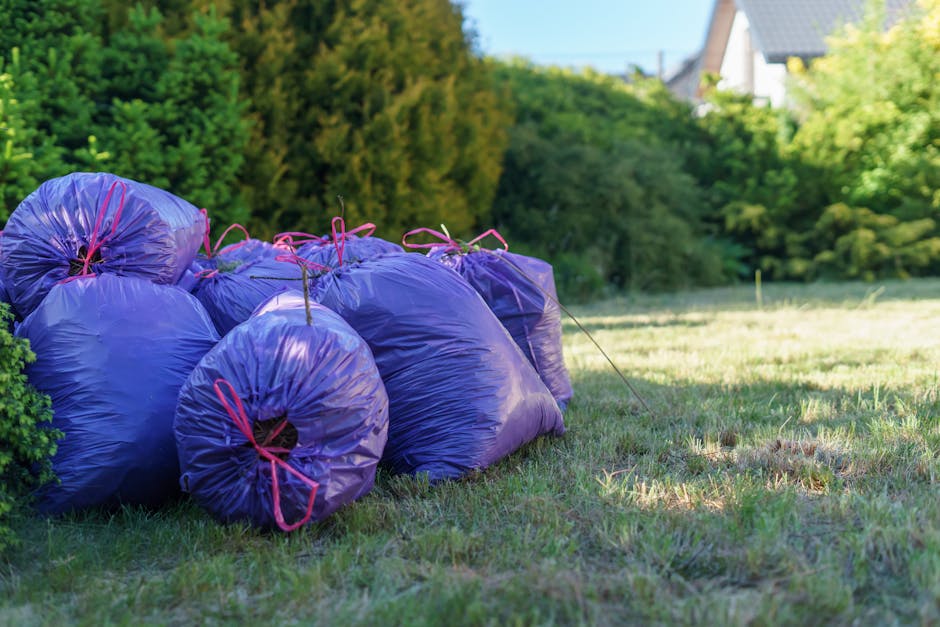
Garden waste sounds simple until you are stood over a pile of hedge clippings, wet leaves, soil, and that one awkward bundle of ivy wondering what is actually allowed. That is where Lewisham council garden waste rules what to know for gardeners becomes useful in a very practical way. If you garden in Lewisham, the difference between a tidy clearance and a rejected collection often comes down to the small details: what goes in the bin, how it is presented, and what is better kept out altogether.
This guide breaks it down in plain English. You will find how garden waste collections usually work, what gardeners tend to get wrong, why the rules matter, and how to plan your pruning, mowing, and seasonal clear-ups so you stay on the right side of local expectations. No fluff. Just the bits that save time, mess, and those annoying missed-collection moments that always seem to happen on a rainy Monday morning.
For gardeners who also need help keeping on top of regular upkeep, it can be useful to pair this advice with broader seasonal planning from garden maintenance support and, where hedges are involved, hedge trimming in Lewisham. Small habits make a big difference here. Really, they do.
Why Lewisham council garden waste rules what to know for gardeners Matters
Garden waste is not just "green stuff". In practice, councils treat it as a separate waste stream because it can often be composted or processed differently from general household rubbish. That is why the rules exist. They help keep collections efficient, reduce contamination, and make sure organic material is managed properly rather than mixed with food waste, rubble, plastics, or oversized branches.
For gardeners, the rules matter for a more immediate reason: garden work generates a messy mix of material. A quick pruning session can produce soft cuttings, woody stems, soil, roots, weeds, and clumps of dead growth all at once. If you are not sorting as you go, you can end up with a bin that is too heavy, contaminated, or awkward for collection crews to handle. And then, well, you are back outside splitting it into three piles while the kettle goes cold.
The practical point is this: good waste handling is part of good gardening. If you are keeping a plot neat, managing hedges, or reviving an overgrown border, waste management is part of the job, not an afterthought. It also affects how smoothly related work goes. For example, if you are dealing with a jungle of climbing plants or ivy, the cuttings can mount up fast. Pairing the job with a sensible removal plan can save you a second round of work later, especially if you are already using advice like effective ways to get rid of ivy permanently or sorting out a neglected patch with overgrown garden recovery ideas.
Expert takeaway: most garden waste problems are not about gardening skill. They are about sorting, timing, and keeping the waste stream clean enough for collection.
How Lewisham council garden waste rules what to know for gardeners Works
The exact setup for garden waste collections can change over time, so the safest approach is always to check the current Lewisham council guidance before you book, prepare, or set out waste. That said, the system usually follows a fairly familiar UK council pattern: eligible garden waste is collected separately, bin lids must close, contamination must be avoided, and only specified materials should go in.
In practical terms, the process usually looks like this:
- You sort out garden waste from general household waste.
- You place only the accepted organic material into the correct container or approved format.
- You avoid contamination from plastic bags, plant pots, soil-heavy loads, rubble, or food waste unless the council specifically permits it.
- You present the waste on the right day and in the right way for collection.
- You keep an eye on seasonal issues such as wet material, spiky cuttings, or overfilled containers.
Gardeners often ask whether all organic material is treated the same. Short answer: no, not always. Soft lawn cuttings, leaves, hedge clippings, and small prunings are usually easier to process than heavy branches, root balls, or mixed debris. That is why it pays to separate as you work. A tidy pile of grass clippings is one thing; a bin half-filled with compacted wet turf and clay soil is another entirely.
If you are frequently managing hedge growth or a border that throws up more material than expected, it may be worth combining your own sorting routine with a more regular service rhythm. Our gardening services and lawn care pages may help if you are planning longer-term maintenance rather than one-off clearances. Not every garden needs the same approach, to be fair.
What is usually accepted
While the council's current rules should always be checked first, garden waste collections commonly accept materials such as:
- grass cuttings
- leaves
- small twigs and hedge trimmings
- flowers and plant material
- weeds, if they are not mixed with soil or contaminants
What often causes problems
The trouble starts when gardeners mix in items that look "natural" but are not suitable for the green waste stream. Examples can include plastic plant labels, compost bags, broken canes, stones, large clods of soil, or roots with attached hard debris. Councils tend to be strict about contamination because one bag of mixed waste can spoil an otherwise recyclable load.
There is also a difference between waste from normal garden maintenance and waste created by major landscaping work. If you are removing paving, tearing out a structure, or dealing with timber and hard materials, those items belong elsewhere. For larger projects, services such as landscaping, decking services, and fencing may create waste streams that need separate handling. Garden waste is only one part of the picture.
Key Benefits and Practical Advantages
Understanding the rules is not just about avoiding a collection issue. It gives you a cleaner workflow in the garden, better planning, and less waste overall. There is a rhythm to it once you get used to it.
- Cleaner, faster clear-ups: when you know what goes where, you spend less time sorting after the job is done.
- Lower contamination risk: your waste is more likely to be accepted first time.
- Better seasonal planning: you can time hedge cuts, lawn work, and leaf clearing to suit collection cycles.
- Less garden clutter: fewer bags hanging around in the shed or by the gate.
- More sustainable gardening: separate organic waste is generally better aligned with composting and recovery.
There is a less obvious benefit too: the rules make you think more carefully about pruning and disposal before you start cutting. That can change how you work. Instead of chopping a hedge down and hoping for the best, you may choose a gentler trim, smaller waste loads, or staged removal over a few days. That is often better for the plant as well. If you are trimming hedges often, you may also find hedge trimming shapes and techniques helpful for reducing waste in the first place.
Who This Is For and When It Makes Sense
This guide is for pretty much anyone in Lewisham who generates garden waste, but the needs vary a lot from one gardener to the next.
Home gardeners
If you mow a small lawn, deadhead beds, prune shrubs, or bag up leaves at the weekend, you mainly need the basics: what can be collected, how to contain it, and what not to mix in. Even a modest garden can create a surprising amount of waste after a few wet weeks in spring.
Heavy-pruning households
If you have hedges, climbers, mature shrubs, or fast-growing borders, you will probably generate more waste than the average garden. In that case, rules around bin capacity and contamination become more important. A little planning can save you from overfilled containers and rejected pickups.
Families and shared homes
In homes where several people garden, waste often ends up spread across the driveway, a side passage, and a patch of lawn. The rules matter because one person's "just a few clippings" can become another person's collection headache. It happens. All the time, frankly.
People clearing neglected gardens
If you are tackling a neglected or overgrown space, the volume and mix of waste can be much greater than expected. Roots, weeds, woody growth, and old plant matter can all pile up quickly. In those cases, you may need a combination of careful sorting, staged removal, and possibly professional help. For a more structured refresh, see revitalising an overgrown paradise.
Gardeners planning service support
If you are comparing help with ongoing upkeep, it makes sense to understand how waste disposal fits into the service. For example, ongoing garden maintenance, regular lawn mowing, or more targeted tree surgery may all create different waste profiles.
Step-by-Step Guidance
If you want a straightforward way to stay compliant and keep things manageable, use this flow.
- Check the current local rules. Council waste guidance can change, and collection details may differ by area or service type.
- Sort the waste at source. Separate green waste from plastic, metal, compost bags, stones, and hard landscaping debris.
- Reduce volume before bin day. Chop long stems, shake out loose soil, and remove obvious contaminants before bagging or binning.
- Keep material lightweight where possible. Wet grass and compacted leaves are deceptively heavy. Let cuttings dry a little if practical.
- Use the right container or presentation method. Follow the council's instructions for bins, sacks, bundles, or additional containers.
- Do a final check before collection. Lids should close, waste should not spill, and nothing prohibited should be mixed in.
- Review what caused the most waste. If one border or hedge always produces more than expected, adjust your cutting schedule next time.
A helpful little habit is to keep a garden sack or trug near the work area while you prune. It sounds basic, but it stops waste from spreading all over the patio and makes sorting easier at the end. If your garden surface needs a refresh after messy work, patio cleaning can be a sensible follow-up rather than leaving soil stains to set in for weeks.
Expert Tips for Better Results
People often think the trick is to fit more into the bin. Not really. The better trick is to create better waste in the first place.
Trim with disposal in mind
When you are pruning, think about how the cut material will be handled afterwards. Shorter lengths are easier to bag or stack. Dense branches can be cut down into manageable sections. A tidy sequence saves you effort later, especially in damp weather when everything is heavier and stickier.
Separate soft and woody waste
Soft waste like grass and leaves behaves differently from woody stems and twigs. If you keep them separate, you can manage volume better and reduce the risk of the whole lot turning into a compressed, soggy mass. That mass is never fun. Never.
Avoid "just one more thing" contamination
One extra plastic tie or plant pot can seem harmless, but it is the sort of thing that causes collection problems. Check pockets, bins, and the bottom of sacks. Tiny contaminants are easy to miss when you are tired and it is getting dark.
Plan around wet weather
In London, a dry collection week is always a small victory. If you know rain is coming, try to let cuttings dry where safe before bagging. Wet waste is heavier and more likely to compact. That can make a huge difference to capacity.
Use hedge and lawn work to control waste volume
Regular small cuts are usually easier to manage than one dramatic clear-out every few months. This is where steady maintenance pays off. It keeps waste streams predictable and the garden healthier too. For hedge-focused properties, there is a direct link between better trimming practice and less disposal stress. Same with regular lawn work: less debris, less bulk, less hassle.
And if you are ever in doubt about what is worth doing yourself and what would be better handled professionally, it is perfectly reasonable to ask. A quick conversation can prevent a lot of guesswork. You can use the contact page if you want to talk through a garden job before committing to it.
Common Mistakes to Avoid
Most garden waste issues come from a handful of predictable errors. The good news? They are easy to avoid once you know them.
- Mixing soil and hardcore with green waste: this is one of the fastest ways to trigger problems.
- Overfilling containers: if the lid will not close, you are usually already in trouble.
- Bagging waste in the wrong way: check whether your collection setup allows bags, loose waste, or only a specific container.
- Leaving out prohibited items: plastic ties, pots, labels, and garden furniture bits are common offenders.
- Waiting too long between clearances: the pile grows, gets wetter, and becomes much harder to manage.
- Forgetting about branches and woody cuttings: these are often bulkier than they look when first cut.
Another sneaky issue is treating all "green" material as if it belongs in one pile. If you have just lifted turf, dug out a shrub, and swept up old compost, those are different waste types. Sort first; save yourself the headache later. That is the game, really.
Tools, Resources and Recommendations
You do not need a huge toolkit to manage garden waste properly, but a few simple items make the job much easier.
| Tool / item | Why it helps | Best use |
|---|---|---|
| Strong garden bags or trugs | Helps collect loose material without making a mess | Leaves, clippings, small prunings |
| Secateurs and loppers | Reduce oversized stems into manageable sections | Hedges, shrubs, light woody growth |
| Rake or leaf collector | Speeds up clean-up and sorting | Autumn leaves, lawn debris |
| Wheelbarrow | Moves waste without repeated lifting | Large clear-outs or heavier loads |
| Tarpaulin | Makes shifting and sorting simpler | Pruning sessions, bulk tidy-ups |
For gardeners who want a more resilient, lower-mess garden overall, a few related ideas are worth exploring. Ground covers can reduce bare-soil debris and suppress weed growth, which helps keep waste down over time. See ground cover plant ideas and weed control tips for practical ways to reduce repeat clearance work. If your garden is tight on space, vertical gardening and container gardening can also cut down on sprawling waste and make maintenance more predictable.
Practical recommendation: keep one dedicated "green waste corner" or sack area in the garden during busy seasons. It sounds a bit boring, but it makes the whole process calmer. Less wandering around, less forgotten debris, less mystery junk at the bottom of the bag.
Law, Compliance, Standards and Best Practice
Garden waste handling sits at the intersection of local service rules, duty of care, and ordinary household responsibility. You do not need to become a waste expert, but you do need to follow the collection instructions that apply to your property and service arrangement. The safest approach is to treat council guidance as the final word for what is accepted and how it should be presented.
From a best-practice point of view, the main standards are simple:
- separate recyclable organic waste from general rubbish
- avoid contamination with plastics, metals, rubble, and non-organic items
- do not leave waste where it creates a safety hazard or obstructs access
- present waste neatly and only within any stated capacity limits
- dispose of larger landscaping or construction materials through the proper route
If you are paying for garden work, it is also sensible to understand what is included in the service. Waste removal, labour, and disposal can be handled differently depending on the job. That is where clear terms matter. Pages such as terms and conditions, pricing and quotes, and payment and security can help set expectations before any work begins.
Health and safety also matters. Wet cuttings on paving, overfilled bags, sharp branches, and hidden debris can all cause minor injuries if handled carelessly. If you are hiring help, it is sensible to know the service is backed by basic safety controls. That is where health and safety policy and insurance and safety information can be reassuring.
Options, Methods, or Comparison Table
There is more than one way to handle garden waste in Lewisham. The right choice depends on volume, frequency, and how much labour you want to take on yourself.
| Method | Best for | Pros | Trade-offs |
|---|---|---|---|
| Routine council garden waste collection | Regular clippings, leaves, and standard maintenance waste | Convenient, structured, predictable | Must follow the rules closely; capacity can be limited |
| Home composting | Leaves, grass, soft plant matter, small amounts of waste | Reduces disposal volume, improves soil later | Not suitable for all materials; needs space and care |
| Staged DIY removal | Light to moderate clear-ups | Flexible, low cost, easy to control | Time-consuming if waste volume is high |
| Professional garden clearance support | Overgrown, hedge-heavy, or mixed jobs | Efficient, less physical effort, better for large jobs | May cost more; service scope should be checked |
There is no single best option for everyone. A small front garden with a few shrubs is a very different beast from a rear garden that has been left alone for half a year and now looks like it belongs in a wildlife film. For many people, the most sensible route is a mix: keep up with routine collections, compost what you can, and bring in extra help when the work spikes. If you are weighing that up, about us may help you understand the wider approach behind the service, while gardening services and garden maintenance can support longer-term planning.
Case Study or Real-World Example
Here is a very typical Lewisham scenario. A homeowner takes on a Saturday hedge trim after noticing the front boundary has started to block the light path. The first pass looks neat enough, but within half an hour there is a surprising amount of cut material: soft clippings, twiggy growth, a few thicker branches, and bits of old mulch that got dragged up during clearing.
At that point, the difference between a smooth clean-up and a small disaster is preparation. The homeowner sorts the material into three piles: soft green waste, woody cuttings, and debris that should not go in the garden waste container. They keep the load light, remove stray plastic plant ties, and let the wetter clippings dry for a bit before bagging. Collection day comes, the bin goes out neatly, and nothing is left behind to rot or blow around the path.
Now compare that with the version we all know too well. Everything gets shoved into one bag, the bag tears, the gate gets slimed with grass juice, and a few stones from an old border end up in the mix. It is more annoying than dramatic, but annoying is enough. The job that should have taken one afternoon becomes two.
The practical lesson is simple: the rules are not there to make gardening harder. They are there to stop ordinary garden work from turning into avoidable waste trouble.
Practical Checklist
Use this before your next garden tidy-up or collection day.
- Checked the latest Lewisham garden waste guidance
- Separated green waste from general rubbish
- Removed plastic, labels, pots, and ties
- Kept soil, rubble, and hard debris out of the load
- Cut large branches or stems down to manageable size
- Made sure bags or bins are not overfilled
- Let wet material drain or dry a little where possible
- Stored waste safely so it does not block access or create a slip risk
- Reviewed whether the job is routine maintenance or a larger clearance
- Booked extra help if the waste volume is more than you want to handle alone
Expert summary: if you sort early, keep loads clean, and treat garden waste as part of the gardening process, you will avoid most of the usual problems. That is the whole trick, honestly.
For seasonal gardens that also need planting or protection work, it may help to look at related topics such as garden resilience against weather and winter protection for plants. Better care in the garden usually means less waste later. Simple as that.
Get a free quote today and see how much you can save.
Conclusion
If you remember nothing else, remember this: Lewisham council garden waste rules are there to keep garden waste clean, separated, and easy to process. For gardeners, that means planning as you prune, sorting as you clear, and not treating every organic-looking item as if it belongs in the same pile.
Once you get into the habit, it becomes second nature. The hedge cuttings go one way, the lawn clippings another, and the unwanted bits of mixed debris never get the chance to cause a collection problem. That leaves you with a neater garden, fewer surprises, and a bit more peace of mind when collection day comes around.
Truth be told, that calm feeling after a tidy garden job is one of the nicest parts of gardening. The place looks settled again. The air smells fresh. And you are not staring at a pile of waste wondering what on earth to do with it.
If you need support keeping your garden manageable through the seasons, a well-planned maintenance routine and the right service help can make the whole thing much easier. Better still, it can free you up to enjoy the garden rather than constantly wrestling with it.
Frequently Asked Questions
What counts as garden waste for Lewisham collections?
Garden waste usually means organic material from routine garden maintenance, such as grass cuttings, leaves, small twigs, hedge trimmings, and plant cuttings. Check the current local guidance for exact acceptance rules, because councils can differ on certain materials.
Can I put soil in my garden waste bin?
Soil is often treated differently from green waste and may not be accepted in the same way. Heavy soil can cause collection and processing issues, so always check the current council instructions before adding it.
Are weeds allowed in garden waste collections?
Often yes, but only if they are free from contamination and do not bring in excess soil, plastic, or other rubbish. If they have been dug out with roots and soil attached, they may need separate handling.
Can I include hedge trimmings and branches?
Usually hedge trimmings are acceptable, but bulky branches may need to be cut down first or handled separately depending on size and local rules. A neat, manageable load is always safer.
What should I do with plastic pots and plant labels?
Keep them out of garden waste. These are contaminants and should be separated from organic material before you set anything out for collection.
Do I need to dry grass cuttings before disposal?
You do not always need to, but letting wet grass dry a little can help reduce weight and make the waste easier to manage. It also helps stop that heavy, soggy compaction that fills a bin far too quickly.
What if I have more garden waste than my normal bin can take?
If your waste exceeds your usual capacity, you may need to stage the work, compost some material, book additional collection support, or arrange a larger clearance approach. It is better to manage volume early than wait until the pile becomes unworkable.
Can professional gardeners remove garden waste for me?
Often yes, depending on the service and what is agreed in advance. It is sensible to confirm whether waste removal is included, what type of waste is covered, and whether any extra charges apply.
Is garden waste collection the same as general rubbish collection?
No. Garden waste is usually handled separately because it is organic and may be processed differently from household rubbish. Mixing the two can cause problems with collection and recycling routes.
How often should I clear garden waste during peak growing season?
That depends on the size of your garden and how fast things grow, but during spring and early summer many gardeners benefit from smaller, more frequent clear-ups rather than one big monthly job. It keeps the work lighter and the waste easier to handle.
What is the easiest way to avoid rejected garden waste?
Keep the load clean, light, and well sorted. Remove plastics, soil-heavy debris, rubble, and anything non-organic before collection day. A quick final check is usually enough to prevent most issues.
Where can I get help if my garden is too overgrown to manage alone?
If the garden has become difficult to tackle, it may be worth combining your own clearance with professional support. Services such as garden maintenance and tree surgery can be useful when waste volume and plant growth have both got ahead of you.